
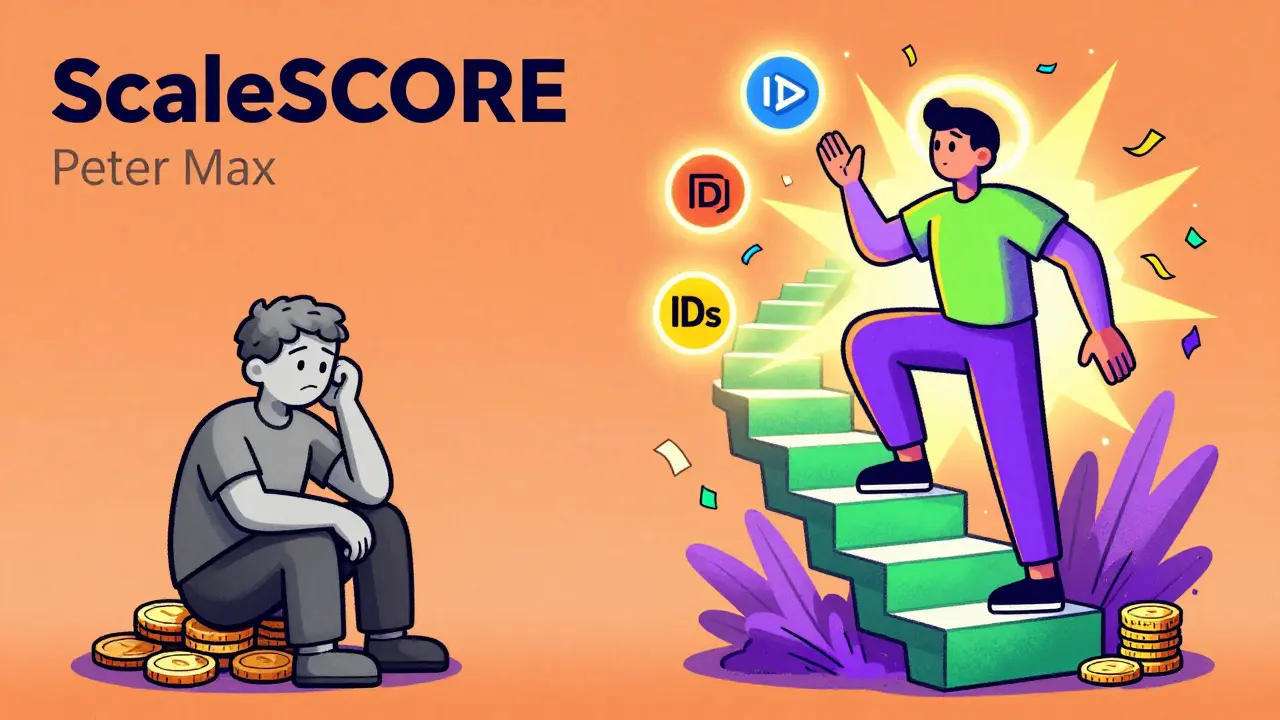
Most crypto airdrops feel like a lottery. You hold a bag of tokens, hope the project team remembers you, and pray for a snapshot that includes your wallet address. It’s passive, often frustrating, and usually rewards people who bought in early rather than those who actually used the platform. Scaleswap is flipping this script. Instead of a simple "hold and wait" strategy, Scaleswap uses a dynamic reputation system called ScaleSCORE to determine who gets what. If you are looking for details on the Scaleswap airdrop, you need to understand that you aren't just waiting for a drop; you are building a score to earn it.
This guide breaks down exactly how the SCA ecosystem works, why your activity matters more than your balance, and how to position yourself for upcoming distributions from partner projects launching on the platform.
What Is Scaleswap?
To understand the airdrop mechanics, you first need to know what you are participating in. Scaleswap is a fully decentralized Initial DEX Offering (IDO) launchpad built on Layer 2 scaling solutions, primarily Polygon. Think of it as a bridge between new cryptocurrency projects that need funding and investors who want early access to promising tokens.
Unlike older launchpads that operated directly on the Ethereum mainnet with high gas fees, Scaleswap leverages the speed and low cost of Polygon. This makes participation accessible to retail investors, not just whales with deep pockets. The platform was co-founded by Stanislav Stolberg, bringing a heavy focus on information security to the table. In an industry plagued by hacks, this security-first approach is a key differentiator.
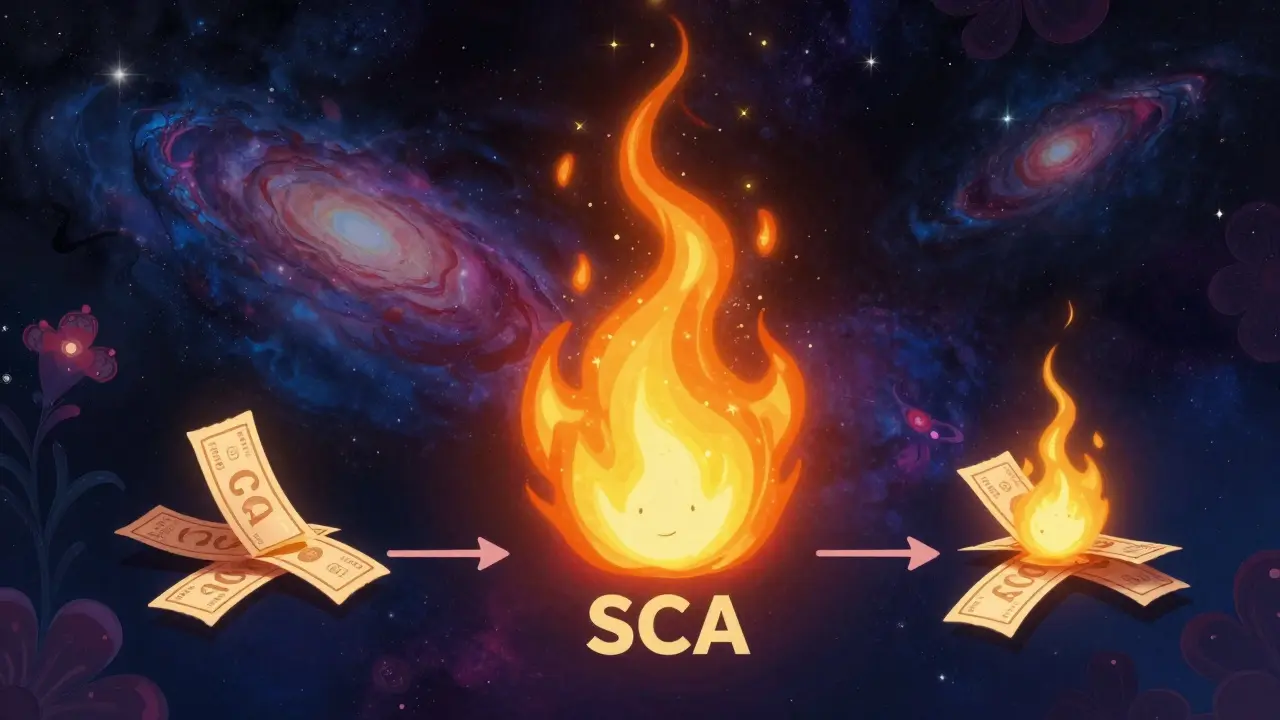
The native utility token of the platform is $SCA. You use SCA to pay for platform fees. Here is the kicker: when you spend SCA on fees, those tokens are burned. This creates a deflationary pressure similar to burning vouchers. As the platform grows and more transactions occur, the supply of SCA decreases, potentially increasing the value of the remaining tokens.
The Core Mechanism: ScaleSCORE Explained
This is the most important part of the article. If you treat Scaleswap like any other DeFi protocol where you just buy tokens and sit still, you will miss the point. The platform uses a proprietary metric called ScaleSCORE.
ScaleSCORE is a weighted scoring system that measures user loyalty, engagement, and participation within the Scaleswap ecosystem. It doesn't just look at how many SCA tokens you hold. It looks at how actively you use the platform.
Here is how it changes the game for airdrops:
- Weighted Distribution: When a partner project launches an airdrop through Scaleswap, the tokens are not distributed equally. They are distributed based on your ScaleSCORE. A higher score means a larger allocation.
- Loyalty Reward: Passive holders get less. Active users who participate in IDOs, stake tokens, or engage with platform features get more.
- Quality Control for Projects: For the projects launching on Scaleswap, this is beneficial too. They aren't sending their tokens to bots or passive wallets. They are targeting proven, engaged community members who are likely to support the project long-term.
In short, your ScaleSCORE is your ticket to better airdrop allocations. It turns airdrop farming from a guessing game into a merit-based system.
How to Participate in Scaleswap Airdrops
You might be asking, "Is there a specific SCA token airdrop?" Currently, Scaleswap functions primarily as a facilitator for *other* projects' airdrops rather than conducting its own massive token distribution event. However, being an active participant in the ecosystem positions you to receive these partner drops.
Here is the step-by-step process to maximize your eligibility:
- Acquire SCA Tokens: You need to hold the native token. Buy SCA on supported exchanges or secondary markets. This is your baseline entry ticket.
- Connect Your Wallet: Use a compatible Web3 wallet (like MetaMask) configured for the Polygon network. Ensure you have some MATIC (Polygon's native token) for gas fees, though they are minimal.
- Engage to Boost ScaleSCORE: Don't just hold. Participate in IDOs hosted on the platform. Stake your tokens if staking options are available. Every interaction that validates your identity as a real, active user contributes to your score.
- Monitor Partner Announcements: Keep an eye on official Scaleswap channels. Projects like WISeKey International Holding Ltd have partnered with Scaleswap to launch NFT platforms like WISe.Art. These partnerships often come with exclusive drops for the SCA community.
The goal is consistency. Regular, genuine interaction builds a robust ScaleSCORE over time.
Comparison: Scaleswap vs. Traditional Launchpads
| Feature | Scaleswap | Traditional Launchpads |
|---|---|---|
| Distribution Method | ScaleSCORE Weighted | Equal Snapshot / Lottery |
| Network | Polygon (Layer 2) | Ethereum Mainnet (often) |
| User Requirement | Active Engagement | Token Holding (Passive) |
| Fee Token | $SCA (Burned) | Various (Often Locked) |
| Security Focus | High (InfoSec Background) | Variable |
The table above highlights why Scaleswap stands out. By moving to Polygon, it removes the barrier of expensive gas fees. By using ScaleSCORE, it rewards behavior rather than just wealth. And by burning fees, it aligns the economic incentives of the platform with its users.
Partnerships and Ecosystem Growth
A launchpad is only as good as the projects it hosts. Scaleswap has been strategic about its partnerships. One notable example is the collaboration with WISeKey International Holding Ltd, a Nasdaq-listed firm. Together, they launched WISe.Art, an NFT platform that utilizes WISeKey's TrusteCoin (TEC DAO Token).
This partnership signals two things:
- Credibility: Association with established, regulated entities adds a layer of trust that many pure-play crypto projects lack.
- Diversification: Scaleswap isn't just limited to standard token IDOs. It is expanding into NFTs and digital asset tokenization. This broadens the types of airdrops and opportunities available to SCA holders.
As Polygon continues to grow-surpassing Ethereum in daily active users during peak periods-the infrastructure supporting it, like Scaleswap, benefits from increased traffic and lower costs.
Risks and Due Diligence
No discussion of crypto airdrops is complete without addressing risks. While Scaleswap emphasizes security, the broader DeFi landscape remains volatile.
- Smart Contract Risk: Even with experienced developers, code can have vulnerabilities. Always verify contract addresses through official channels.
- Market Volatility: The value of $SCA and any airdropped tokens can fluctuate wildly. An airdrop worth $100 today could be worth $10 tomorrow.
- Regulatory Uncertainty: Crypto regulations vary by region. Ensure that participating in IDOs and holding utility tokens complies with local laws in your jurisdiction.
Never invest more than you can afford to lose. Treat airdrops as potential bonuses, not guaranteed income.
Conclusion: Strategy Over Speculation
The Scaleswap model represents a shift toward merit-based participation in the crypto space. By focusing on ScaleSCORE, the platform encourages users to become active contributors rather than passive speculators. If you are interested in the Scaleswap airdrop opportunities, your best bet is to build a strong reputation within the ecosystem. Hold SCA, engage with IDOs, and stay updated on partner announcements. In the world of decentralized finance, attention and activity are increasingly becoming valuable assets in themselves.
Is there a direct SCA token airdrop for new users?
Currently, Scaleswap does not advertise a standalone mass airdrop of SCA tokens for new users. Instead, the primary airdrop opportunities come from partner projects launching on the platform. These partner tokens are distributed to existing SCA holders based on their ScaleSCORE.
How do I increase my ScaleSCORE?
ScaleSCORE is increased through active engagement. This includes holding SCA tokens, participating in Initial DEX Offerings (IDOs), staking tokens if available, and interacting with platform features. Passive holding yields a lower score compared to active usage.
Which blockchain network does Scaleswap use?
Scaleswap operates primarily on the Polygon network. This Layer 2 solution allows for faster transaction speeds and significantly lower gas fees compared to the Ethereum mainnet.
What happens to the SCA tokens used for fees?
SCA tokens used to pay for platform fees are burned. This deflationary mechanism reduces the total supply of SCA over time, which can theoretically increase the value of the remaining tokens as demand stays constant or rises.
Are Scaleswap airdrops safe?
While Scaleswap prioritizes security with an experienced technical team, all DeFi interactions carry inherent risks, including smart contract vulnerabilities and market volatility. Always conduct your own due diligence and only interact with official contracts verified through trusted sources.
Write a comment