
Remember the hype around decentralized wireless networks in 2021? Projects like Helium promised to turn your home Wi-Fi into a money-making machine. Wicrypt was one of those projects, promising users could earn its native token, WNT, by sharing internet bandwidth through specialized hardware devices. If you are searching for details on a specific "NFT & Device Drop" airdrop by Wicrypt, you need to know the hard truth first: the project is largely inactive as of 2026.
This guide breaks down what the Wicrypt airdrop actually was, how the device drop worked, and why you should be cautious if you still hold WNT tokens or have received recent claims about new drops. We will look at the technical setup, the reality of earnings, and the current status of the network.
What Was the Wicrypt (WNT) Token Generation Event?
To understand the "airdrop," we have to look back at how WNT entered the market. Unlike typical free-for-all airdrops where you just connect a wallet and claim tokens, Wicrypt distributed its tokens through a structured Token Generation Event (TGE). This event concluded on December 5, 2021, at 22:00 UTC+3. It wasn't a random giveaway; it was a formal launch designed to distribute the initial supply to early investors, team members, and ecosystem partners.
The project raised $1.5 million in private funding before this launch. Strategic partners from the blockchain and telecommunications sectors participated. The distribution schedule was complex. Some tokens unlocked linearly over two months after their Initial DEX Offering (IDO) on Cardano's OccamRazer platform. Other allocations were locked up for 36 months to prevent immediate selling pressure. If you were part of that initial community or held tokens from the IDO, that was your primary entry point, not a later NFT drop.
The "Device Drop": How the Hardware Model Worked
When people talk about the Wicrypt "Device Drop," they are usually referring to the distribution of physical hardware rather than a digital NFT airdrop. The core promise of Wicrypt was simple: buy a router, share your unused bandwidth, and earn WNT.
| Feature | Wicrypt Router | Helium Hotspot (Typical) |
|---|---|---|
| Primary Function | Wi-Fi Bandwidth Sharing | LoRaWAN IoT Coverage |
| Connectivity | Dual-band Wi-Fi (2.4GHz/5GHz) | Cellular/Wi-Fi + LoRa |
| Processor | ARM-based (Blockchain optimized) | Varies by model |
| Initial Cost | $99 USD | $200-$400+ USD |
| Target Market | Emerging Markets (Africa) | Global Urban Areas |
You had to purchase the device directly from their official store. The setup involved connecting the router to your existing internet connection. Once online, the device would broadcast a signal. Neighbors or nearby users could connect to this signal, and in exchange, the protocol rewarded you with WNT tokens. The reputation system ensured that only quality connections earned rewards.
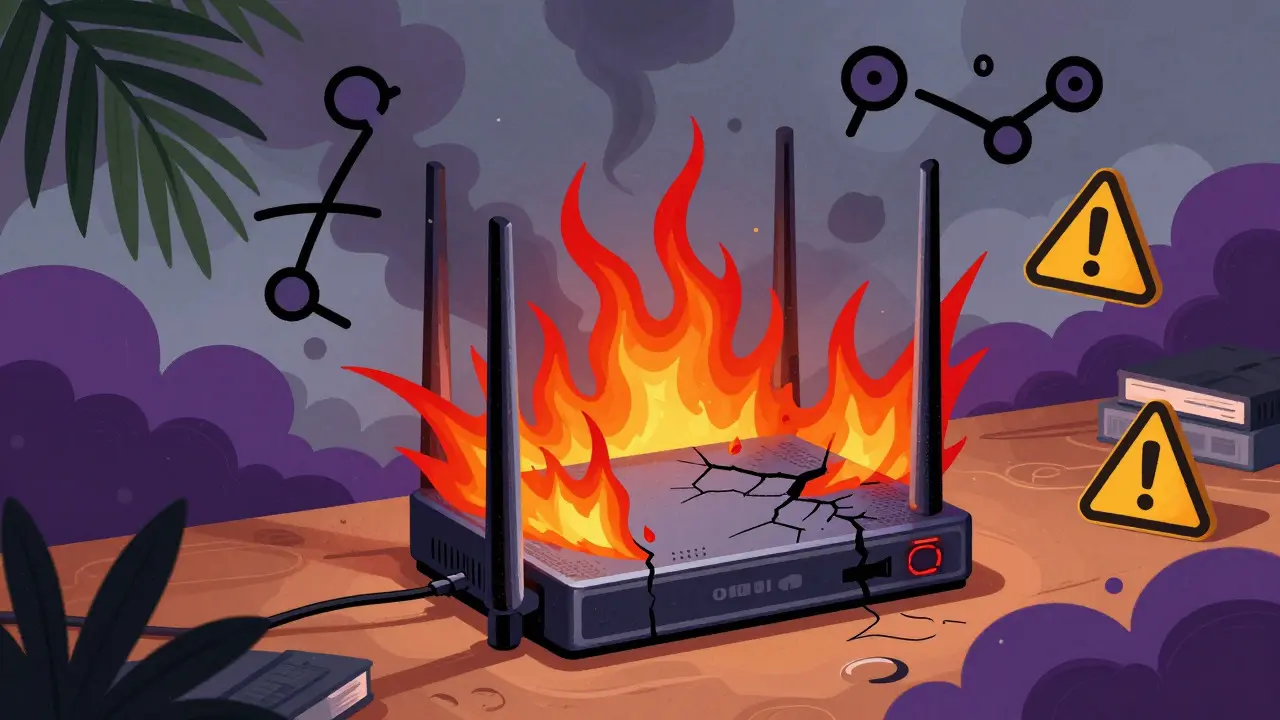
However, this model faced significant hurdles. Shipping delays were common, with users waiting 6-8 weeks for delivery. In tropical climates like Nigeria, where the project focused heavily, 23% of users reported device overheating issues. These hardware failures meant missed earnings and frustrated communities.
Did an NFT Airdrop Actually Exist?
Here is where things get tricky. While there was heavy marketing around "drops" and "rewards," there is no widely documented, standalone "NFT Airdrop" event for Wicrypt that functioned independently of the hardware or TGE. Most references to NFTs in the Wicrypt context were likely tied to:
- Hardware Ownership Proof: Some projects use NFTs to verify ownership of physical devices on-chain. It is possible Wicrypt experimented with this, but it was secondary to the token utility.
- Marketing Hype: During the 2021 bull run, many projects used buzzwords like "NFT" and "Airdrop" interchangeably to attract attention. What was marketed as an exclusive drop often turned out to be a standard token unlock or a hardware subsidy.
- Community Rewards: Early supporters might have received small token bonuses, which some referred to loosely as airdrops, but these were part of the broader TGE structure.
If you are seeing a new website or Telegram channel claiming a "Wicrypt NFT Airdrop" in 2026, treat it with extreme skepticism. Given the project's current status, these are highly likely to be phishing scams trying to steal your seed phrase or drain your wallet.
Earnings Reality: What Did Users Actually Make?
Let’s look at the numbers. Early adopters in Lagos, Nigeria, reported earning approximately $3.50 per day from a single device, assuming consistent 200GB monthly bandwidth sharing. This sounded attractive when WNT prices were higher. However, several factors drastically reduced these earnings:
- Device Uptime: Frequent reboots required physical intervention. One user reported a 40% reduction in earnings due to downtime.
- Geographic Limitations: Earnings depended on local demand. If no one nearby needed extra bandwidth, you earned nothing. This made the model viable only in dense, high-demand areas with poor traditional infrastructure.
- Token Price Volatility: As the broader crypto market cooled, the value of WNT dropped significantly. Even if you earned tokens, their fiat value plummeted.
By late 2021, Trustpilot reviews averaged 3.2 out of 5 stars. The main complaints weren't just about low earnings, but about limited geographical availability. 68% of negative reviews cited "not available in my country" as the primary issue. This highlighted a fundamental flaw: the network effect requires critical mass, which Wicrypt struggled to achieve outside of specific African markets.
Current Status of Wicrypt and WNT Token (2026 Update)
So, what happened to Wicrypt? The short answer is stagnation. By 2025, the WNT token was delisted from major exchanges. CoinGecko’s database shows no active trading pairs for WNT on reputable platforms. The last recorded activity on decentralized exchanges occurred in Q2 2022.
Development has effectively halted. The project’s GitHub repository shows minimal activity after March 2022, with the last commit dated March 14, 2022. For a software-dependent blockchain project, silence on GitHub is a major red flag. It suggests the engineering team has moved on.
Community engagement has also collapsed. The primary Telegram group, which had 8,500 members in December 2021, shrank to approximately 1,200 active members by October 2025. Industry analysts at Messari noted in their 2023 report that over 70% of hardware-blockchain hybrid projects fail to maintain operations beyond 18 months. Wicrypt appears to fit this trend.
Delphi Digital’s 2024 retrospective analysis rated Wicrypt’s chances of recovery at just 12%. They cited insufficient hardware adoption and lack of continuous development as primary concerns. While the problem of expensive internet in emerging markets remains unsolved, Wicrypt itself seems unlikely to be the solution.
Risks and Red Flags for Current Holders
If you still hold WNT tokens or own a Wicrypt device, here is what you need to consider:
- Liquidity Risk: With no major exchange listings, selling your WNT tokens is difficult. You may have to rely on obscure decentralized pools with high slippage and potential scam contracts.
- Hardware Obsolescence: Your Wicrypt router is now just a standard Wi-Fi extender. It does not generate meaningful income, and without firmware updates, security vulnerabilities may go unpatched.
- Scam Alerts: Be wary of any "official" communication promising a new airdrop or NFT drop. Check the source carefully. Phishing sites often mimic dead projects to catch holders who are hoping for a revival.
The lesson from Wicrypt is clear: hardware-dependent crypto models face exceptional challenges. Scaling physical devices globally is expensive and logistically complex. While the idea of monetizing bandwidth is sound, execution proved too difficult for Wicrypt to sustain against competitors and market forces.
Is the Wicrypt (WNT) token still tradable?
As of 2026, WNT is not actively traded on major centralized exchanges. It may exist on small decentralized exchanges (DEXs), but liquidity is extremely low. Trading carries high risk of slippage and potential scams.
How do I claim the Wicrypt NFT Airdrop?
There is no verified, ongoing NFT airdrop for Wicrypt in 2026. Any website or channel claiming otherwise is likely a scam. The original token distribution happened via the TGE in 2021.
Can I still earn money with a Wicrypt device?
Earnings are negligible. With low network activity and minimal demand for shared bandwidth, most devices earn little to nothing. The hardware is better used as a standard Wi-Fi router.
What happened to the Wicrypt development team?
Development activity ceased around March 2022. The GitHub repository has been inactive since then, suggesting the team has disbanded or moved to other projects.
Is Wicrypt similar to Helium?
Yes, both are decentralized wireless networks. However, Helium focuses on LoRaWAN for IoT devices, while Wicrypt focused on Wi-Fi bandwidth sharing. Helium achieved much larger scale and brand recognition.
Write a comment