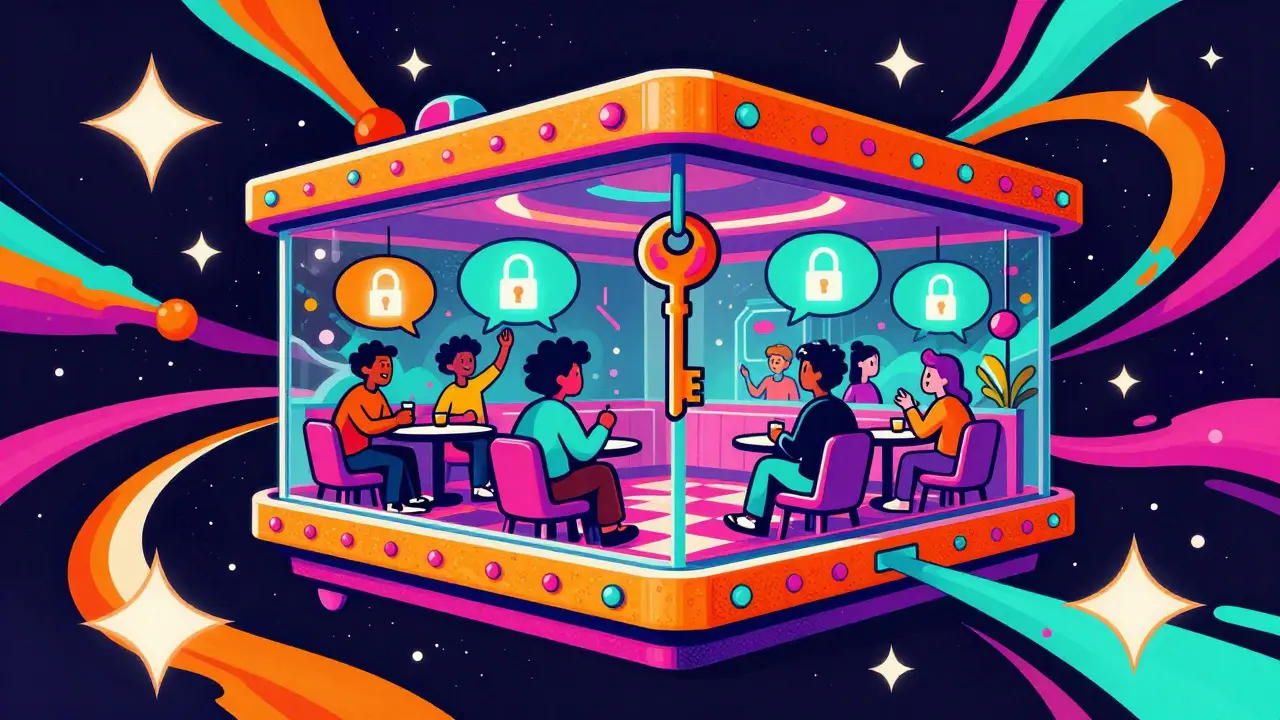
Imagine a group chat where the company running the server can't read your messages, and you actually own the room. That is the core promise of Towns, a decentralized messaging protocol built on the Base Layer 2 blockchain. It isn't just another chat app; it's infrastructure that turns communication spaces into digital assets you can buy, sell, or govern. If you've been seeing the ticker TOWNS in your feed, you're probably wondering what makes this different from Telegram or Discord. The short answer: ownership and privacy by default.
Towns was created by the original developers of Houseparty, the social video app acquired by Epic Games. This background matters because it means the team knows how to build consumer-facing products that people actually enjoy using, not just complex backend tech. They launched with heavy backing from giants like a16z crypto, Coinbase Ventures, and Benchmark, signaling serious institutional confidence in their vision for Web3 communication.
How the Towns Protocol Works
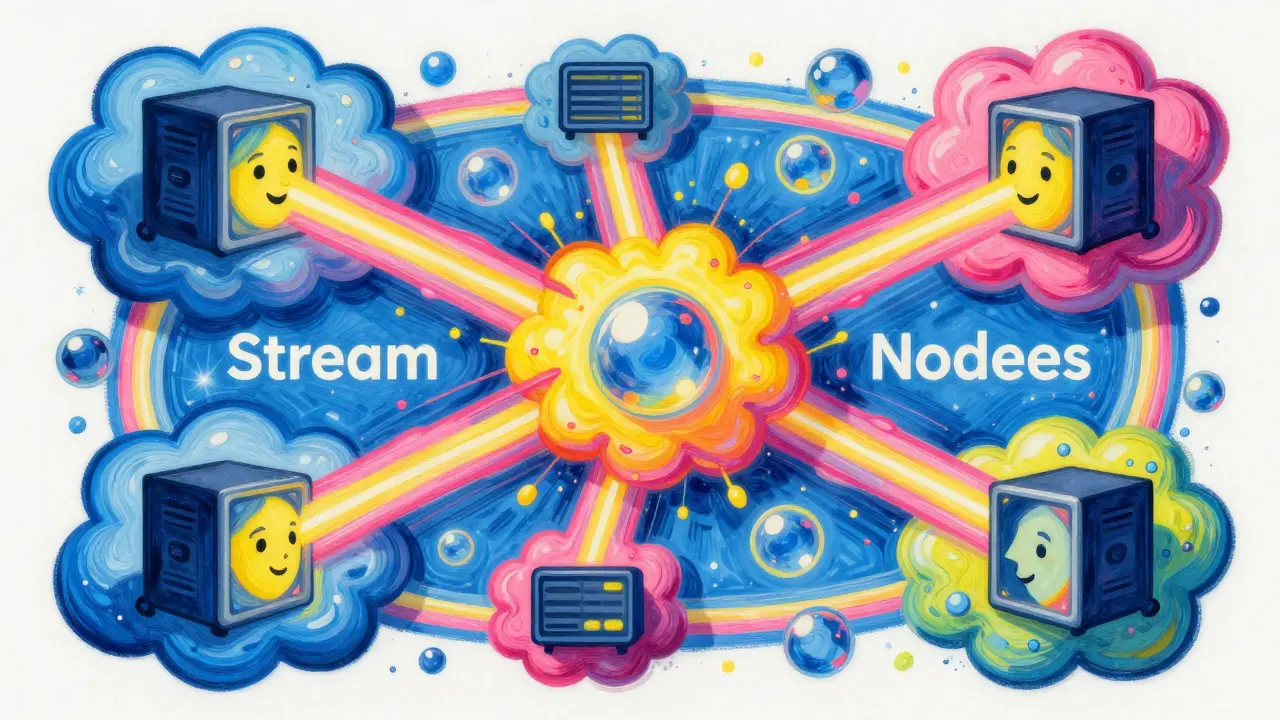
At its heart, Towns combines an EVM-compatible Layer 2 blockchain with off-chain Stream Nodes. Think of it as a hybrid system. The smart contracts live on Base, which gives you Ethereum-level security but with much faster speeds and lower fees. Meanwhile, the actual message delivery happens through a distributed network of Stream Nodes. These nodes handle routing and storage but can't decrypt the content thanks to end-to-end encryption.
This architecture solves two big problems. First, it removes the single point of failure found in centralized servers. Second, it ensures that even the infrastructure providers don't have access to your private data. For anyone tired of platforms selling user data or censoring posts, this setup offers a tangible alternative where control stays with the community.
Understanding Spaces and Digital Ownership
In Towns, every group is called a "Space." Unlike a folder in Slack or a channel in Discord, each Space is a unique ERC-721 NFT owned by its creator. This makes the Space a true on-chain asset. You can transfer it, sell it, or let a DAO manage it. The creator has full authority over membership rules, roles, and governance structures. It’s like owning a digital clubhouse where you set the house rules and decide who gets a key.
This model introduces real property rights to online communities. If you run a niche investment group or a fan club, you aren't renting space from a corporation; you own the infrastructure. This opens up new possibilities for monetization, such as subscription-based access or ticketed events, all handled via smart contracts without needing third-party payment processors.
TOWNS Token Utility and Staking
The TOWNS token is the native utility currency of this ecosystem. Issued as an ERC-20 token on Ethereum and bridged to Base, it serves several critical functions. First, it secures the network through Proof-of-Stake mechanisms. Node operators stake TOWNS to validate transactions and maintain the Stream Nodes. In return, they earn rewards distributed biweekly.
For regular users, holding TOWNS isn't just about speculation. You can stake tokens directly to specific Spaces or Node Operators. This might grant you extra voting power, access to exclusive features, or simply a share of the protocol's economic activity. However, keep in mind that TOWNS does not guarantee financial returns or profit sharing; it’s primarily a tool for coordination and governance. Your influence grows as the network expands and more people need to participate in decision-making.
Tokenomics and Supply Structure
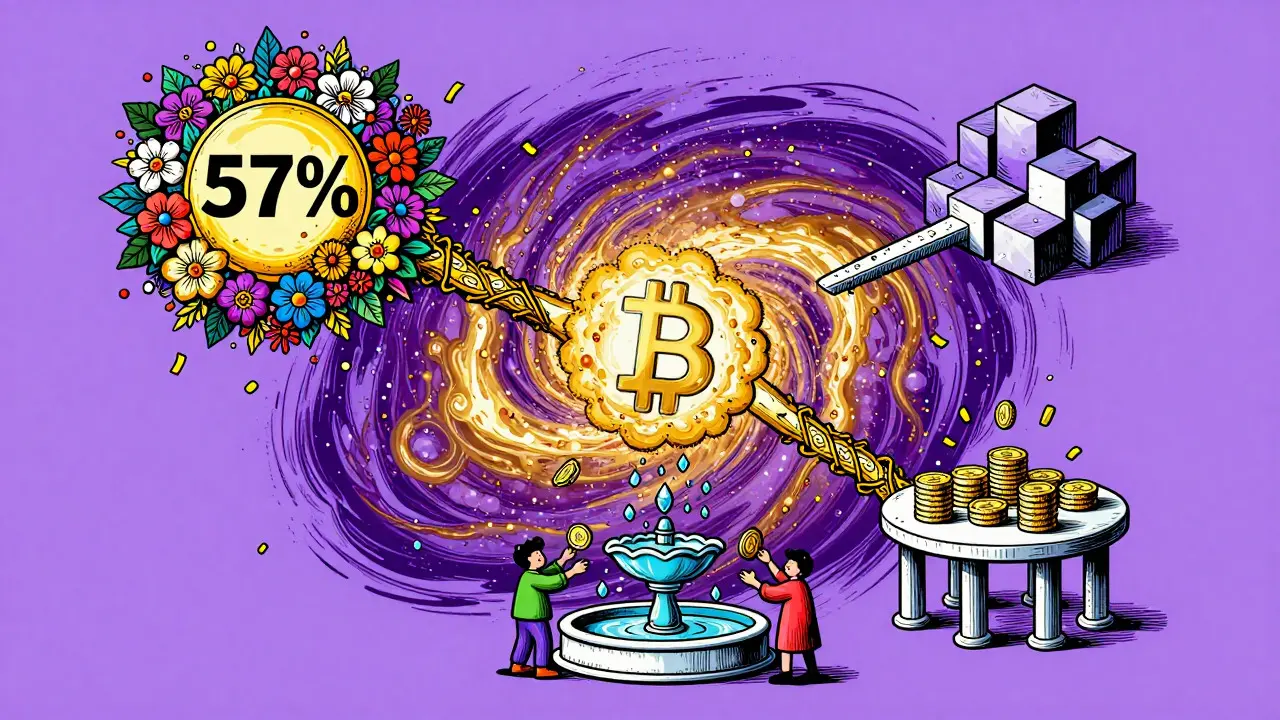
Understanding where the tokens come from helps assess long-term sustainability. The total genesis supply is approximately 10.1 billion TOWNS tokens. The distribution is heavily weighted toward the community, with 57% allocated for grants, airdrops, and governance rewards. This design aims to decentralize control early on rather than letting insiders hold too much power.
| Category | Percentage | Purpose |
|---|---|---|
| Community | 57% | Grants, airdrops, governance rewards |
| Team & Investors | 35% | Vesting schedules for founders and backers |
| Node Operators | 8% | Bootstrapping decentralized infrastructure |
The token follows an inflationary model starting at 8% annually, tapering down to 2% over 20 years. This inflation funds the ongoing rewards for node operators, ensuring the network remains incentivized to stay online and secure. The maximum supply is projected to reach around 15.3 billion tokens after seven years, giving the market a clear picture of potential dilution over time.
Market Performance and Where to Buy
As of late February 2026, TOWNS has been trading in the sub-cent range, hovering around $0.0037 USD. While the absolute price looks low, the 24-hour trading volume consistently exceeds $6 million, indicating decent liquidity and active interest. The token is listed on major exchanges like Binance under the Seed Tag, allowing trades against USDT, USDC, BNB, and other stablecoins.
Price movements in micro-cap protocols like Towns can be volatile. The value proposition relies heavily on adoption-how many Spaces are created, how much data flows through the Stream Nodes, and whether developers build compelling applications on top of the protocol. With total earnings reported in the tens of millions, there is real economic activity happening, but investors should watch for signs of sustained user growth rather than just price spikes.
Why Choose Towns Over Centralized Platforms?
Centralized messengers like WhatsApp or Telegram offer convenience but come with trade-offs. You trust the company to keep your data private, and you accept their terms of service without negotiation. Towns flips this dynamic. By making privacy the default and ownership explicit, it appeals to those who want sovereignty over their digital interactions. Whether you're a DAO coordinating decisions, a startup managing internal comms, or a hobbyist building a niche community, Towns provides the tools to do so without relying on a single corporate entity.
The extensibility is also a major plus. Developers can build custom frontends, plugins, and moderation tools for their Spaces. This means the protocol isn't locked into one way of doing things; it adapts to the needs of the community. As Web3 matures, having infrastructure that supports both financial coordination and casual chat could be a significant differentiator.
Frequently Asked Questions
Is TOWNS a good investment right now?
Like most micro-cap tokens, TOWNS carries higher risk due to volatility. Its value depends on protocol adoption and the number of active Spaces. If you believe in the future of decentralized messaging, it offers exposure to that narrative. Always do your own research and consider your risk tolerance before buying.
Do I need to be a developer to use Towns?
No. While developers can build custom apps, regular users can join existing Spaces, send encrypted messages, and stake tokens using standard wallet interfaces. The protocol handles the complex blockchain interactions in the background, keeping the user experience simple.
How is Towns different from Discord?
Discord is centralized, meaning the company owns the servers and can change rules or shut down servers. In Towns, each Space is an NFT owned by its creator, and messages are end-to-end encrypted. You have true ownership and privacy, whereas Discord offers convenience and centralized management.
Where is the TOWNS token deployed?
The TOWNS token is originally issued on Ethereum as an ERC-20 token but is primarily used on the Base Layer 2 network for lower fees and faster transactions. You can bridge between the two networks if needed, but most protocol interactions happen on Base.
Can I earn passive income with TOWNS?
Yes, by staking TOWNS to Node Operators or specific Spaces, you can earn rewards paid out biweekly. These rewards come from the protocol's inflation mechanism. However, staking involves locking your tokens for a period, and returns depend on network participation levels.
Write a comment