Imagine logging into a virtual world where you don't just play the game-you own the land, the buildings, and potentially the next big trend. That's the promise of The Sandbox, a blockchain-based virtual world that has quietly become one of the most significant players in the metaverse sector. But beyond the hype of digital real estate, there is a tangible opportunity for users: the SAND airdrop. If you've been wondering how to actually get your hands on free SAND tokens without spending a fortune upfront, you're in the right place. This isn't just about clicking a button; it's about understanding the ecosystem that powers these rewards.
What Exactly Is The Sandbox Ecosystem?
To understand why an airdrop matters, you need to know what you're dropping into. The Sandbox started life in 2012 as a simple 2D mobile game. Fast forward to today, and it’s a robust 3D metaverse built on Ethereum and Polygon blockchains. Think of it as a decentralized Minecraft where every asset is an NFT. The platform is backed by heavy hitters like Binance Labs, Animoca Brands, and SoftBank, who poured over $121 million into its development. This funding isn't just vanity metrics; it fuels the creation of tools that let regular people build games.
At the heart of this universe is the SAND token, an ERC-20 cryptocurrency that serves as the lifeblood of the economy. You use SAND to buy LAND (virtual parcels), trade avatars, and access premium experiences. There are 166,464 parcels of LAND available, and each one can be turned into a game, a social hub, or an art gallery. The key differentiator here is true ownership. In traditional games, if the servers shut down, your progress vanishes. In The Sandbox, your assets live on the blockchain, meaning they persist regardless of the platform's status.
Decoding the Airdrop Mechanisms
Airdrops in The Sandbox aren't random giveaways thrown at anyone with a Twitter account. They are strategic incentives designed to reward specific behaviors-usually creativity, community engagement, or early adoption. Historically, these campaigns have varied wildly in size. We’ve seen everything from smaller standalone pools of around $140,000 worth of SAND to massive partnerships like the $500,000 collaboration with LCX or the $600,000 pool with CoinMarketCap. Currently, active campaigns often hover around the $2.5 million mark in total value, depending on market conditions.
How do you qualify? It usually comes down to three paths:
- Active Participation: Engaging in "Learn and Earn" initiatives where you watch tutorials or complete quests within the platform.
- Creation Rewards: Building something in VoxEdit or Game Maker. The Sandbox has previously rewarded users who created LAND plots or unique assets, recognizing that content creators drive the ecosystem.
- Community Contests: Social media campaigns on Discord and Twitter often distribute passes or tokens to those who engage authentically rather than just spamming hashtags.
It is crucial to note that many airdrops are tied to the Alpha Pass system. These passes grant exclusive access to curated experiences during limited-time events. For instance, previous Alpha events allowed participants to earn up to 1,000 SAND tokens simply by playing through 18 different experiences. Access to these passes was distributed via raffles for LAND owners, daily contests, or secondary markets like OpenSea. If you missed a specific campaign, keep an eye out for the next event cycle, as these recurring opportunities are the primary way new users accumulate initial capital.
Tools You Need to Start Creating
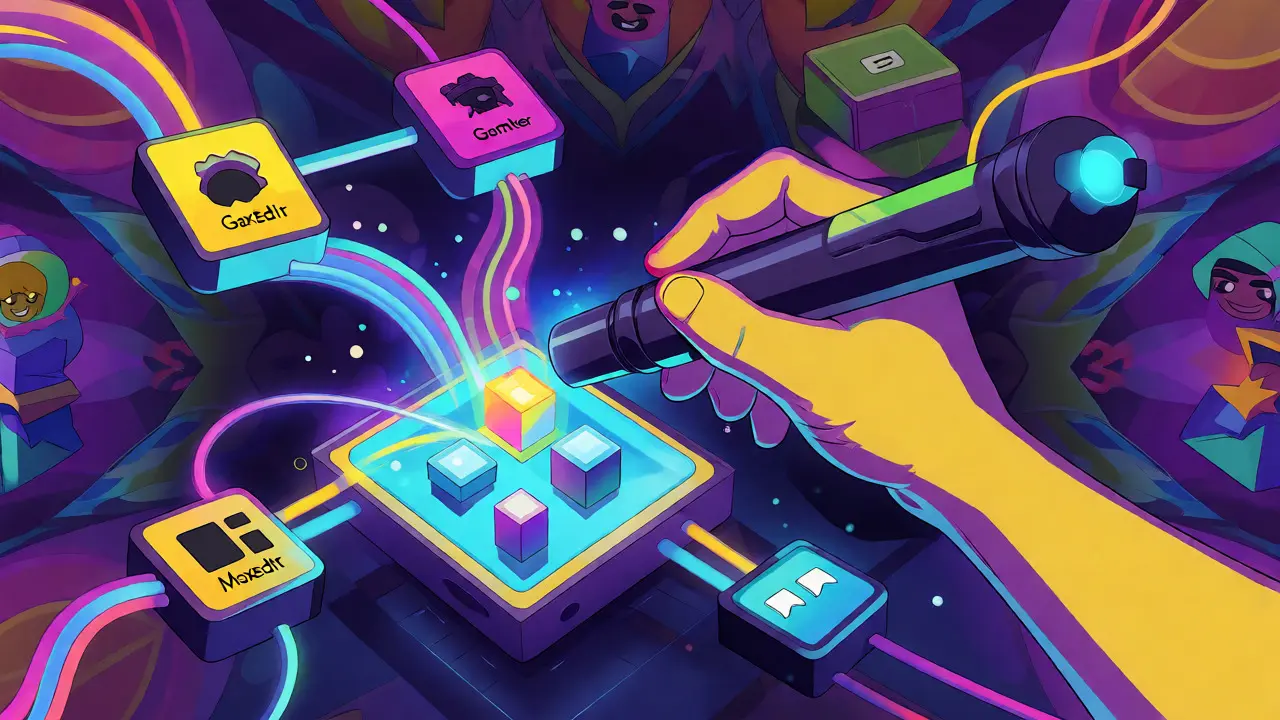
You don’t need to be a coder to participate, but you do need the right tools. The Sandbox provides two main applications that lower the barrier to entry significantly. First, there is VoxEdit, a voxel modeling tool similar to MagicaVoxel. It allows you to create 3D assets using cubes. Whether you’re designing a chair for a virtual cafe or a sword for a combat game, VoxEdit handles the heavy lifting. Second, there is Game Maker, which lets you assemble these assets into playable experiences without writing a single line of code. It uses a visual scripting interface, making it accessible to designers and artists who might shy away from traditional game engines like Unity or Unreal.
Mastering these tools takes time. Industry estimates suggest that while basic navigation takes a few days, becoming proficient enough to create monetizable assets typically requires one to three months of regular practice. However, the payoff can be substantial. Successful creators have reported earning significant amounts of SAND by renting out their LAND or selling assets in the integrated marketplace. The learning curve is real, but the documentation and active Discord communities provide robust support for beginners.
Comparing The Sandbox to Other Metaverses
Why choose The Sandbox over competitors like Decentraland or Somnium Space? The answer lies in its focus on user-generated content (UGC) and its distinct aesthetic. While some platforms chase photorealism, The Sandbox embraces a stylized, voxel-based look reminiscent of Minecraft. This isn't a limitation; it's a feature that makes building faster and more accessible. Furthermore, The Sandbox’s partnership ecosystem is arguably its strongest moat. Collaborations with brands like Adidas, The Walking Dead, and Snoop Dogg bring mainstream attention and high-quality branded experiences that attract non-crypto natives.
| Feature | The Sandbox | Decentraland | Somnium Space |
|---|---|---|---|
| Core Focus | User-Generated Games & UGC | Social Interaction & Events | VR Immersion |
| Native Token | SAND | MANA | CUBE |
| Creation Tools | VoxEdit & Game Maker (No-code) | SDK (Requires coding knowledge) | Unity Plugin |
| Aesthetic Style | Voxel / Blocky | Low Poly / Realistic | High Fidelity VR |
| Main Revenue Model | LAND Sales, Asset Trading, Play-to-Earn | LAND Sales, Advertising, Events | Hardware Integration, Virtual Land |
This comparison highlights a critical point: The Sandbox is positioned for gamers and creators who want to build interactive experiences, not just hang out. If you prefer passive exploration, Decentraland might suit you better. But if you want to build a business inside a virtual world, The Sandbox’s toolset is far more comprehensive.
Practical Steps to Qualify for Future Airdrops
So, how do you position yourself for the next drop? Here is a straightforward checklist based on historical patterns and current platform dynamics:
- Set Up Your Wallet: Ensure you have a Web3 wallet like MetaMask connected to The Sandbox. Familiarize yourself with gas fees, especially if you are interacting with the Ethereum mainnet versus the Polygon sidechain, which offers cheaper transactions.
- Engage with the Community: Join the official Discord server. Many airdrop announcements happen there first, and participation in community challenges often yields small but consistent rewards.
- Create Content: Even if you don’t own LAND, you can create assets in VoxEdit. Submitting these to the marketplace demonstrates activity and skill, which algorithms and human reviewers often track for eligibility.
- Watch for Partnership Campaigns: Keep an eye on collaborations with exchanges or other crypto projects. These tend to have larger prize pools because the partners are subsidizing the cost to acquire new users.
- Maintain Security Hygiene: Never share your private keys. Legitimate airdrops will never ask for your seed phrase. Scams thrive in the airdrop space, so verify URLs carefully before connecting your wallet.
It is also worth noting the recent introduction of SANDChain L2, a layer-2 scaling solution. This upgrade aims to reduce transaction costs and improve speed, making micro-transactions and frequent interactions more viable. As the technical infrastructure improves, we may see more frequent, smaller airdrops designed to encourage daily active usage rather than just one-off claims.
The Reality Check: Risks and Rewards
Let’s be honest: not everyone gets rich from airdrops. The market cap for blockchain gaming reached approximately $4.6 billion in 2024, but daily active users in metaverse platforms remain modest compared to traditional gaming giants like Roblox or Fortnite. Many users complain about the steep learning curve associated with blockchain wallets and the complexity of managing NFTs. Gas fees, while lower on Polygon, can still add up if you are experimenting frequently on Ethereum.
However, the upside remains compelling for those willing to put in the work. Early adopters who invested time in learning VoxEdit and engaging with the community have often recouped their initial efforts through asset sales or governance rights. The key is to view airdrops not as lottery tickets, but as dividends for being an active participant in a growing network. If you treat The Sandbox as a hobby first and an investment second, the experience becomes much more sustainable.
Do I need to own LAND to get a SAND airdrop?
Not necessarily. While owning LAND often grants priority access to exclusive raffles like the Alpha Pass, many airdrops are open to all users who engage with the platform. Activities such as creating assets in VoxEdit, participating in community contests on Discord, or completing 'Learn and Earn' quests can qualify you for rewards without requiring expensive land purchases.
How long does it take to receive my SAND tokens after an airdrop ends?
Distribution timelines vary by campaign. Some instant rewards are credited immediately upon task completion, while larger batch distributions can take anywhere from two weeks to two months after the campaign closes. Always check the specific terms and conditions of the airdrop announcement for the expected payout date.
Are there any scams associated with The Sandbox airdrops?
Yes, the popularity of SAND airdrops attracts scammers. Common tactics include fake websites asking you to connect your wallet and sign a malicious transaction, or direct messages claiming you won a prize but need to pay a 'gas fee' to claim it. Always verify links through official The Sandbox social media channels and never share your private key or seed phrase.
Can I sell the SAND tokens I receive from an airdrop immediately?
Generally, yes. Once the SAND tokens arrive in your wallet, they are standard ERC-20 tokens. You can hold them, stake them for governance, or sell them on major exchanges like Binance or Coinbase, or decentralized exchanges like Uniswap. Be mindful of market volatility and transaction fees when deciding the best time to liquidate.
What is the difference between SAND on Ethereum and Polygon?
SAND exists on both chains. Ethereum is the mainnet where the majority of high-value trades and LAND ownership records reside. Polygon is a Layer-2 solution used for in-game transactions and minting assets to save on gas fees. You can bridge SAND between the two networks using the official Polygon Bridge, though bridging times and fees apply.
Write a comment