Digital Rupee: What It Is, How It Works, and Why It Matters
When you hear Digital Rupee, India's official central bank digital currency issued by the Reserve Bank of India. Also known as e-Rupee, it's not another crypto coin—it's digital cash backed by the full faith of the Indian government. Unlike Bitcoin or meme tokens, the Digital Rupee has no volatility, no anonymous wallets, and no mining. It’s simply the Indian rupee in digital form, designed to move as easily as a UPI payment but with the security and traceability of blockchain.
The Reserve Bank of India, the country’s central banking authority that controls monetary policy and issues currency started testing the Digital Rupee in 2022 and rolled out retail use in late 2023. You can now hold it in a digital wallet through your bank app, send it to anyone with a phone number, and use it to pay for groceries, buses, or even government fees—all without needing a bank account. It works offline, too. That’s right: no internet? Still works. Just tap and go.
This isn’t just about convenience. The central bank digital currency, a government-issued digital form of a nation’s fiat money, controlled directly by its central bank is meant to cut out middlemen, reduce cash handling costs, and make financial aid faster during emergencies. Imagine disaster relief funds reaching people in minutes, not weeks. Or farmers getting subsidies directly into their phones without going through layers of bureaucracy. That’s the goal.
It also changes how India fights fraud and tax evasion. Every Digital Rupee transaction leaves a trail—something cash can’t do. That’s why the government is pushing it hard, especially in rural areas where cash still rules. Banks are required to offer it. Merchants are being trained to accept it. Even street vendors in Jaipur and Pune now have QR codes for e-Rupee payments.
But here’s the catch: you can’t trade it. You can’t stake it. You can’t buy it on Binance. It’s not an investment. It’s money. Period. And that’s why so many crypto sites confuse it with tokens like DOGE or SOL. The Digital Rupee doesn’t need hype. It doesn’t need a whitepaper. It just needs to work.
What you’ll find in the posts below isn’t fluff about price charts or airdrops. It’s real talk about how the Digital Rupee fits into India’s financial future—and how it compares to other countries’ CBDCs, like China’s digital yuan or the EU’s digital euro. You’ll see how it’s being used right now, what hurdles it still faces, and why it’s quietly becoming the most important financial innovation in India since UPI.
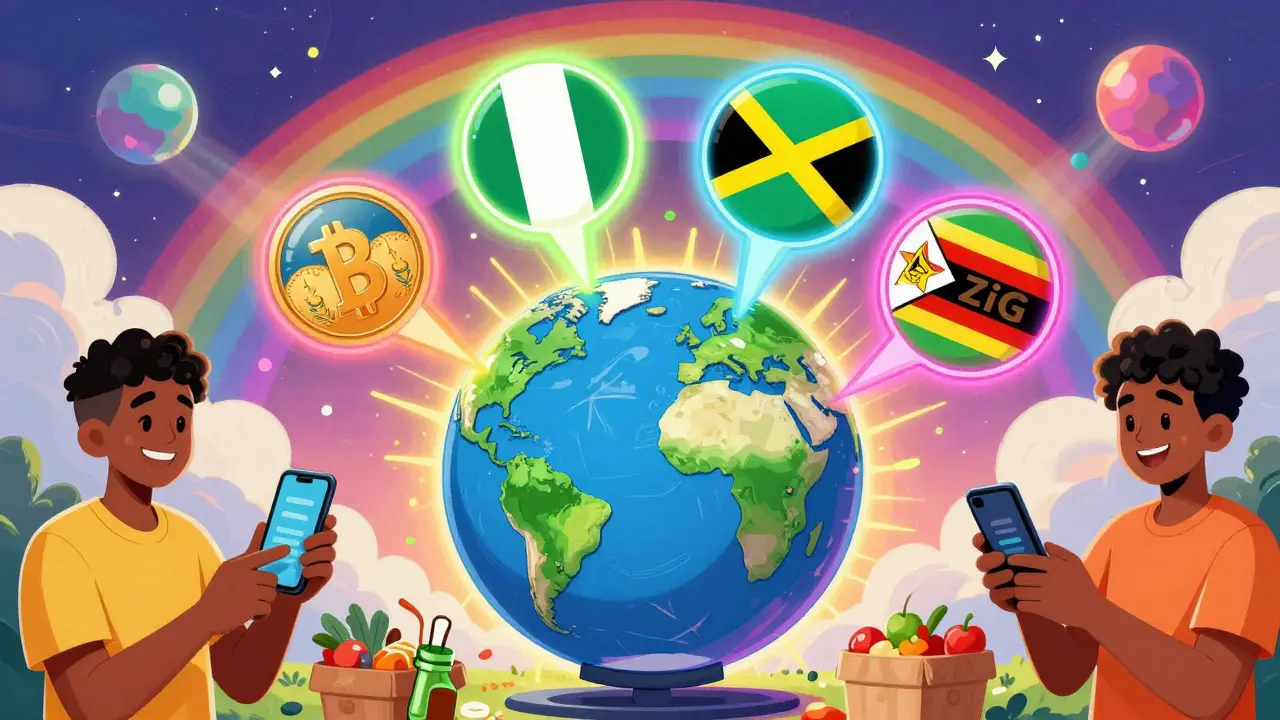
Countries Developing CBDCs in 2025: Global Progress and Key Players
In 2025, over 130 countries are developing central bank digital currencies. From Nigeria's e-Naira to China's Digital Yuan and the EU's Digital Euro, CBDCs are transforming how money moves. Here's who's leading, who's lagging, and what it means for you.