Crypto Airdrop Scam: How to Spot Fake Free Tokens and Stay Safe
When you hear crypto airdrop scam, a fraudulent scheme that tricks people into giving up private keys or paying fees for non-existent free tokens. Also known as fake airdrop, it’s one of the most common ways criminals steal crypto from beginners. These aren’t just shady websites—they’re polished, professional-looking traps designed to look like real projects. You’ll see fake Twitter accounts, cloned whitepapers, and even fake Telegram groups with hundreds of members—all paid bots. The goal? Get you to connect your wallet, enter your seed phrase, or send a small fee to "claim" tokens that don’t exist.
Real airdrops don’t ask for your private key. They don’t require you to pay gas fees to receive free tokens. And they never pressure you with countdown timers or claims like "Only 5 spots left!" If a project is legit, it’ll be listed on trusted platforms like SEA MarketWatch, have a clear token contract on Etherscan or BscScan, and show real trading activity. Scams? Zero volume. Zero team. Zero transparency. Look at the posts below—projects like NFTP, Sphynx Network, and ROSX Roseon Finance were all flagged because they had no token supply, no exchange listings, and no real community. These aren’t rumors—they’re documented frauds.
Another big red flag? Projects that claim to be on the wrong blockchain. NFTP says it’s on Heco Chain—but it’s not even live on any chain. Swaperry IDO? Doesn’t exist. Anypad bot airdrop? The platform blocks bots, so why would they run one? These contradictions are clues. Scammers mix real names with fake details to confuse you. They know you’re excited about free crypto, and they use that excitement to bypass your common sense.
And it’s not just about fake tokens. Some scams pretend to be exchanges—Tranquil Finance, Amaterasu Finance—asking you to deposit crypto to "earn rewards." No audits. No user reviews. No history. Just a website and a promise. These are crypto scams, platforms built to steal funds under the guise of offering services. Also known as fake exchanges, they vanish as soon as money flows in. Then there’s the airdrop fraud, a subset of crypto scams where fake token distributions are used to harvest wallet data. Also known as phishing airdrops, they often use fake claim portals that mirror real ones. If you’ve ever clicked a link from a Telegram group saying "Claim your free APAD tokens now," you’ve walked right into one.
The truth? Most airdrops you see online are traps. The real ones—like Snowball Buzzdrop or Little Pepe—are rare, well-documented, and never ask for anything but your wallet address. You don’t need to chase every free token. You just need to know what to ignore. Below, you’ll find real breakdowns of projects that claimed to give away free crypto—and what actually happened. No fluff. No hype. Just facts that can save your wallet.
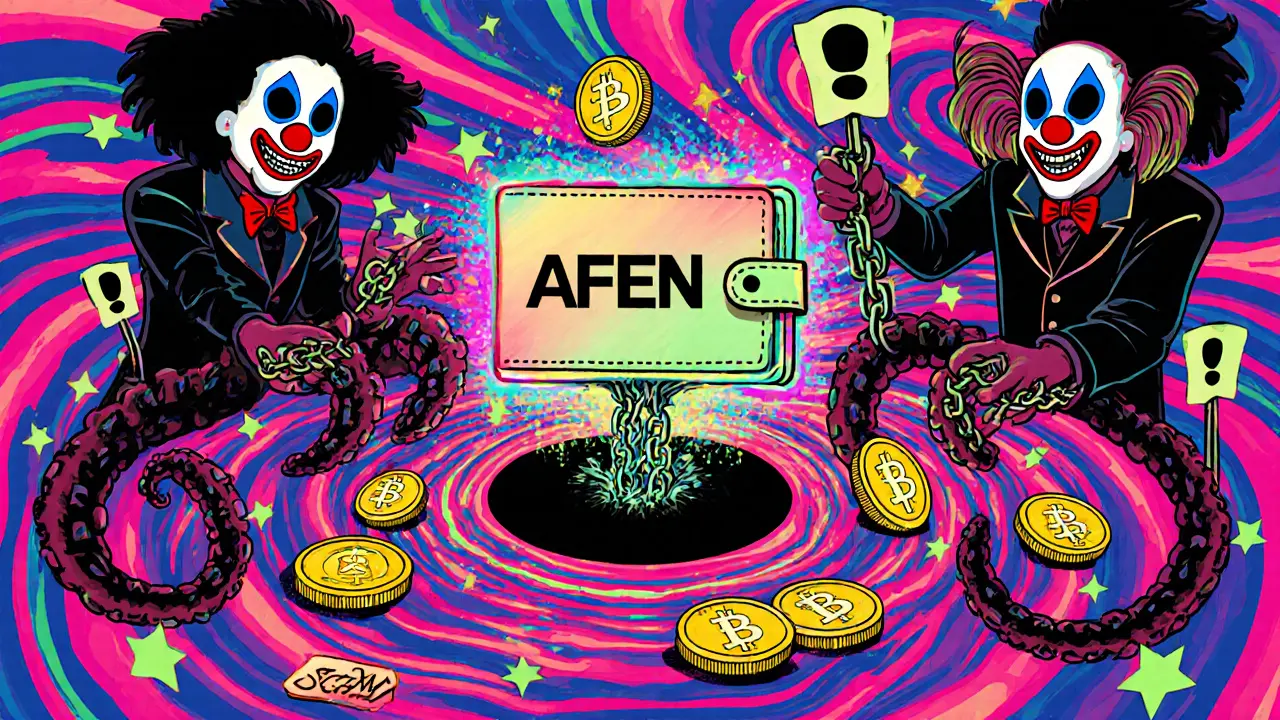
AFEN Marketplace Airdrop: What You Need to Know Before You Get Scammed
No such thing as an AFEN Marketplace airdrop. It's a scam targeting crypto users with fake claims. Learn how to spot fake airdrops and protect your wallet from theft in 2025.